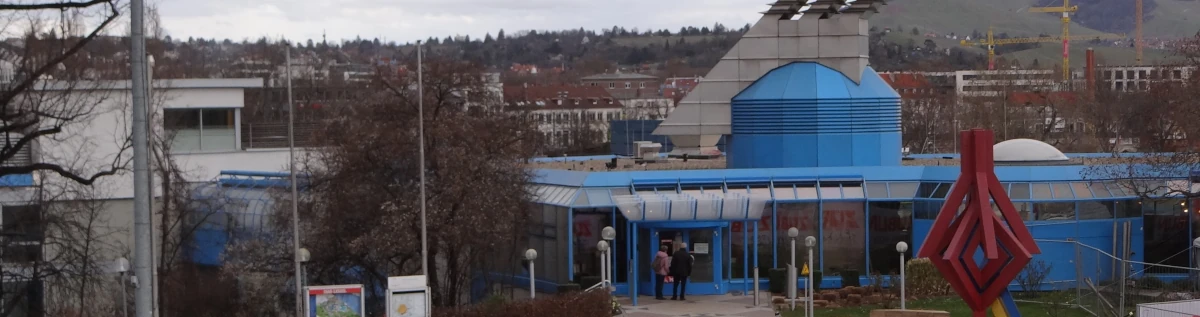
The treasure from the depths – mineral water without end
Bad Cannstatt is a wellness oasis of superlatives with a long history
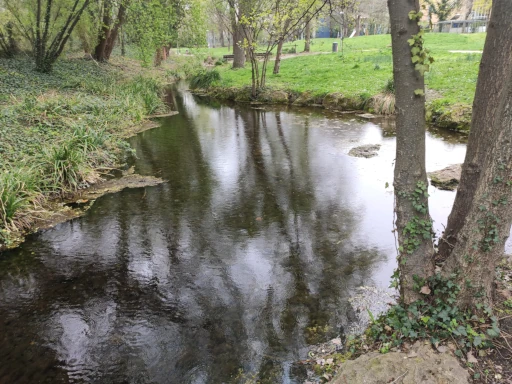
Rich mineral water resources
With a flow rate of over 500 liters per second, Bad Cannstatt has the second largest mineral water reserves in Europe after Budapest. Some of it flows directly into the Neckar. But the captured springs feed mineral baths and drinking fountains and make Stuttgart a decelerated island of well-being.
Even the Roman legionaries bathed in the free-flowing mineral springs around 90 AD.
Today, the Mombach spring is the last free-flowing mineral spring.
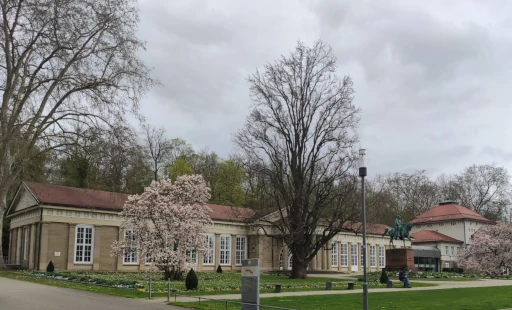
Bad Cannstatt spa center
At the beginning of the 19th century, Cannstatt was one of the most popular spas in Europe. Spa house
At the beginning of the 19th century, Cannstatt was a spa resort known throughout Europe. The Kurhaus was built and parks were laid out. In 1845, the railroad passed through Cannstatt and with it industrialization, which put an end to the spa boom for the time being.
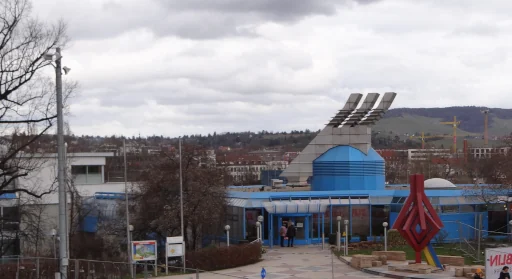
The three thermal mineral baths:
Escape from everyday life and treat yourself to some time out – you can do that in all three.
THE LEUZE
Built in 1983 as a complete work of art and designed by the artist Otto Hayek. Interesting for families and sauna enthusiasts.
Mineralbad Berg
Newly renovated and the classic among the pools. Especially recommended in summer is the outdoor pool area with its refreshingly cool, bubbling water.
SoleBad Cannstatt
The rather classic, quiet thermal bath.
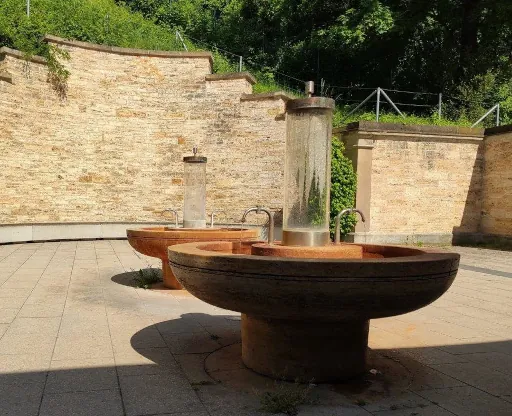
Over 15 mineral water fountains…
… can be found in Cannstatt.
There you can taste mineral and medicinal water of various qualities.
Mineral water is bottled for home consumption at some of the fountains.
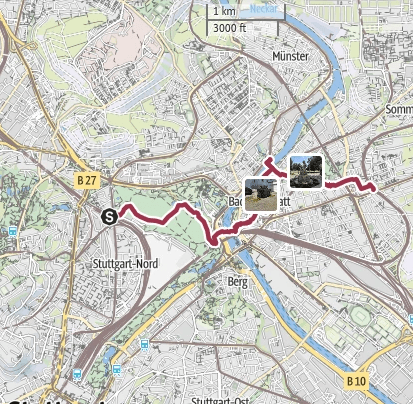
The fountain tour
I have published a short tour on Outdooractive:
Fountain tour
Through parks, past beer gardens and museums and through the old town of Bad Cannstatt, you can taste the mineral water at over 10 fountains. A wellness excursion for the whole family.